A free working session for counsellors and educators
“Which college?”
Change the question.
“How will you spend the next 17,520 waking hours?”
In 90 minutes I will run three tools live on real (anonymised) student cases. You leave with better questions for the next family that walks in asking which college.
- When
- Saturday 12 December 2026, 10:00 to 11:30 am IST
- Where
- Online. The joining link comes by email.
- Cost
- Free, including the recording and printable templates for the three tools. A one-page tool to use right away when you register.
You're registered.
A confirmation is on its way to your inbox. The joining link follows before the session.
Download your sheet: Eight questions to ask before “which college?” (PDF)
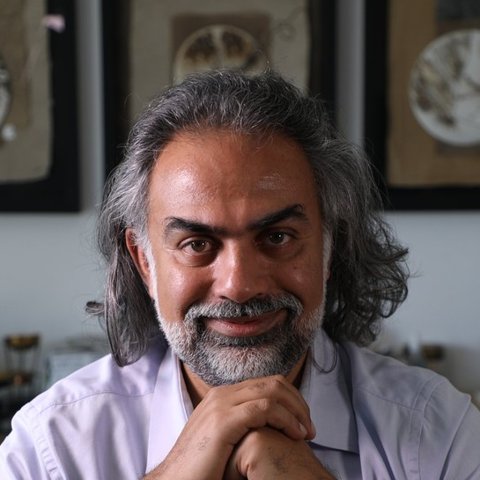
Aditya JhunjhunwalaYour host. Co-Founder, Let's Enterprise, India's 1st Working BBA
- IIM AhmedabadPGDBM, 2002
- 2 booksRestless to Remarkable and Winning Habits
- 2 TEDx talksPune: “A college of life learning.”
Goa: “Why everyone should create a body of work” - 1,000+young people mentored over 12 years
Your host
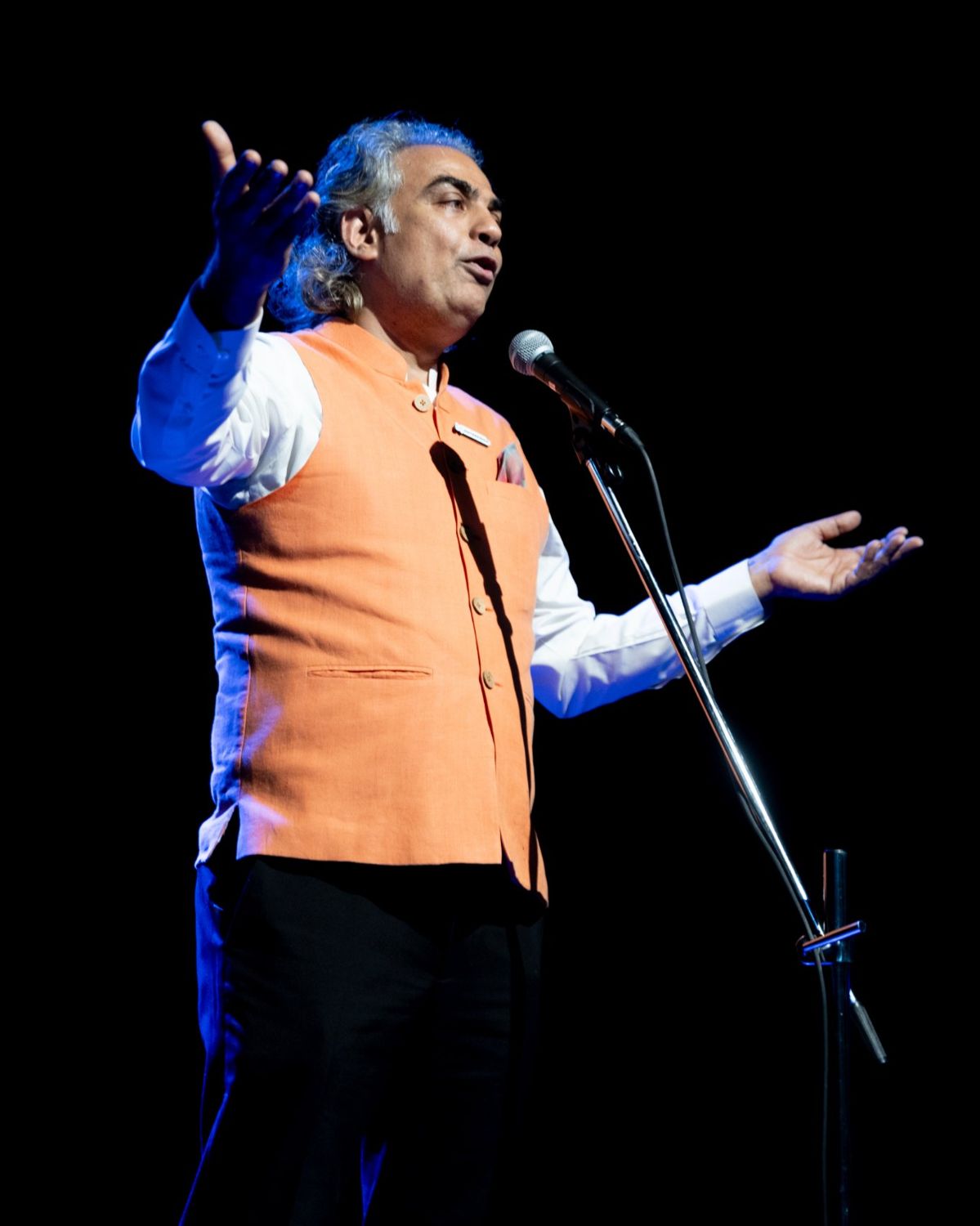
Aditya Jhunjhunwala
“The job of a good counsellor is not to give answers. It is to ask the right questions.”Aditya Jhunjhunwala, @playful_ceo
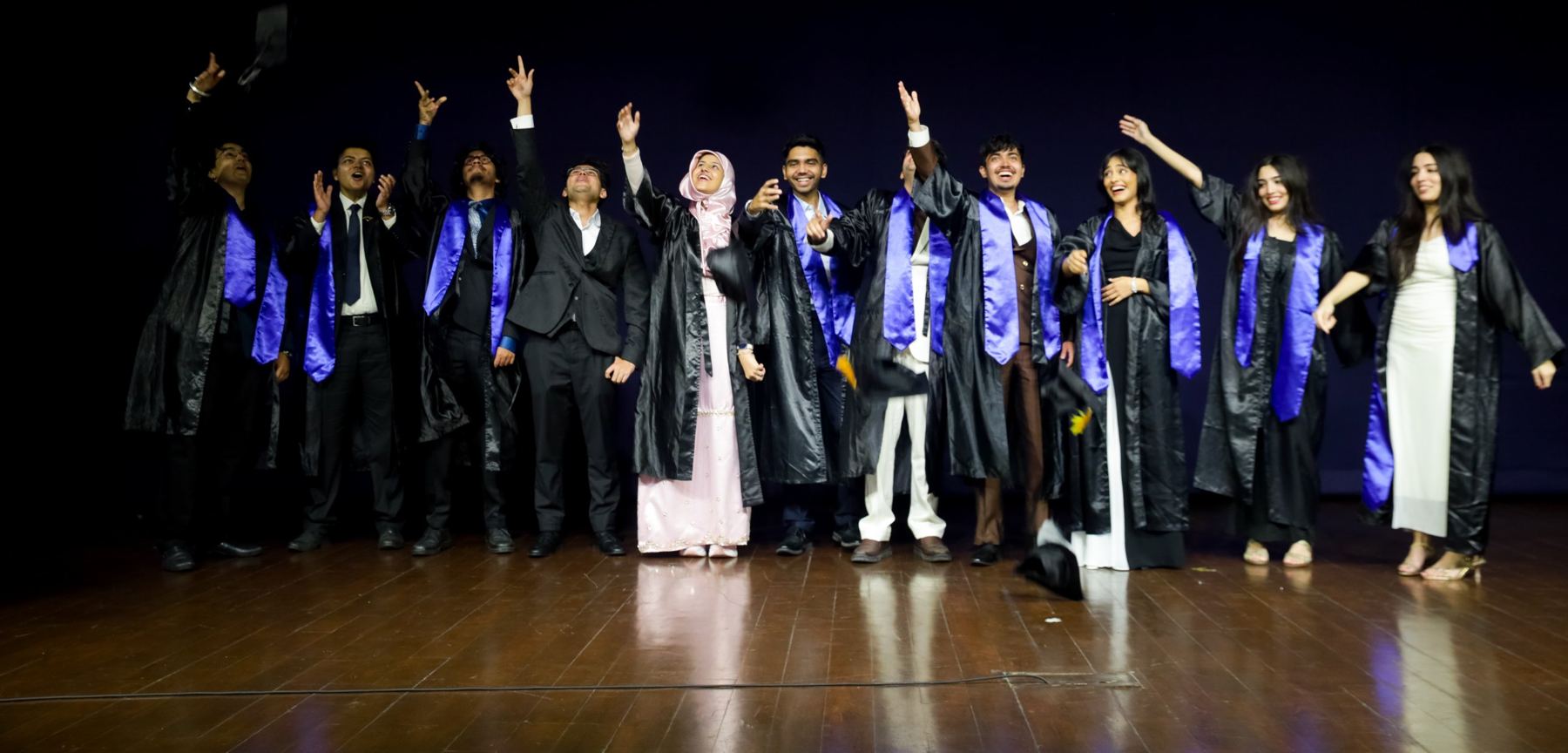
I studied mechanical engineering at MIT Pune and management at IIM Ahmedabad, and spent the years after in business. For the last twelve I have worked with young people and their families on one question: what actually helps someone find direction, and get chosen. It started with five years running a self-discovery programme for 17 to 21 year olds, and then the Enterprise India Fellowship, which became Let's Enterprise, India's first Working BBA. Its first cohort graduated in August 2026.
The tools in this session are the ones that kept working across those years. Now I wish to share these tools with you, so that together we can multiply the impact.
- IIM AhmedabadPGDBM, 2002
- MIT PuneB.E. Mechanical Engineering, 1998
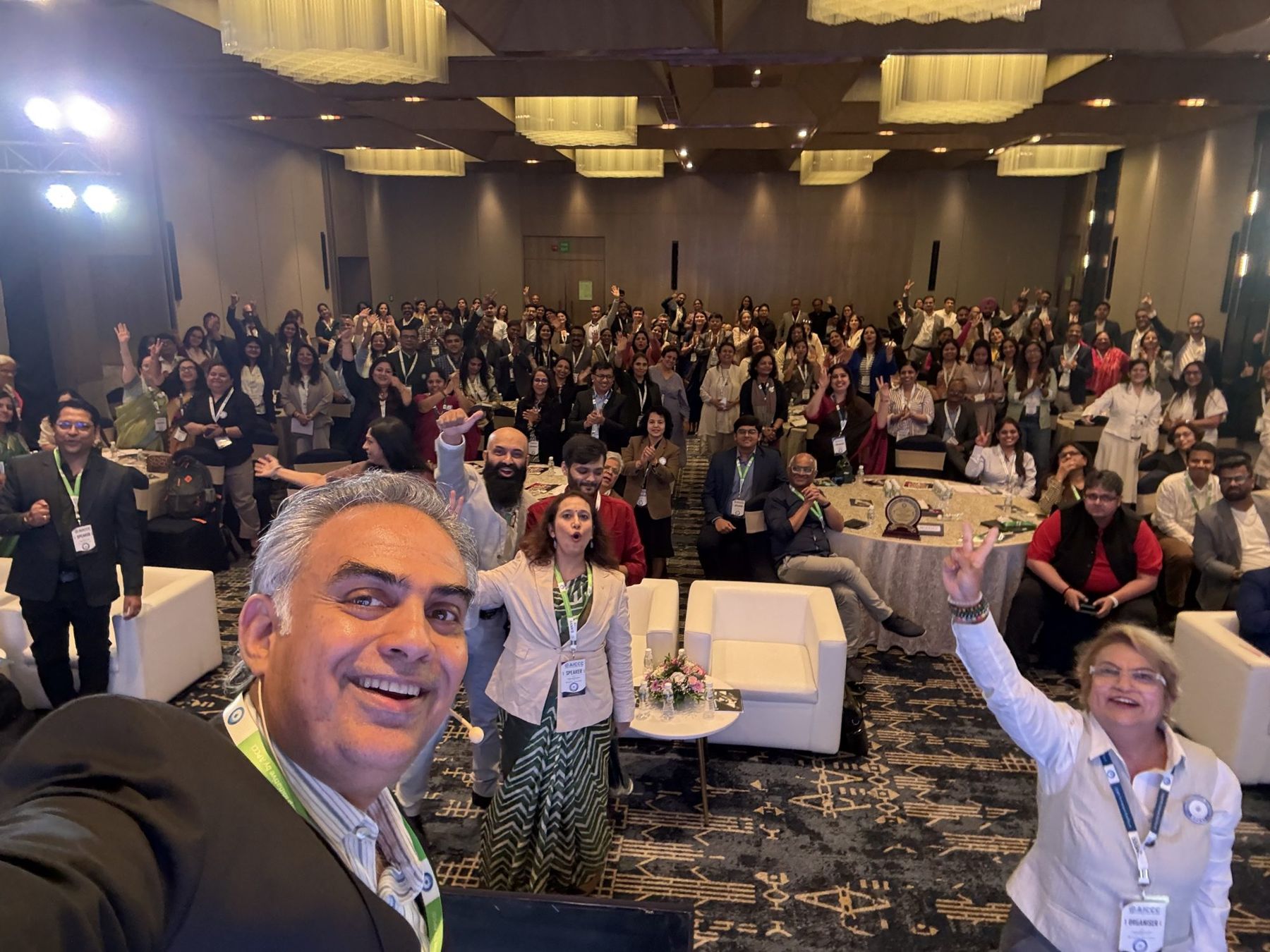
- Keynote, AICCC 2026To about 200 career counsellors
- Two TEDx talksPune: a college of life learning. Goa: why everyone should build a body of work.
- AuthorRestless to Remarkable; co-author, Winning Habits
- Host, Spirit of EnterpriseConversations with founders, including Namita Thapar
- 1,000+ young peoplementored one to one
- 150+ weekly lettersto founders and parents
Leadership work with teams at
- Red Hat
- Secure Meters
- Stahl
- The Kalyani School
Books
 Restless to RemarkableA companion for parents of teenagersFor the young person who knows they are capable of more but hasn't found the door yet, and the parent trying to help without getting in the way.
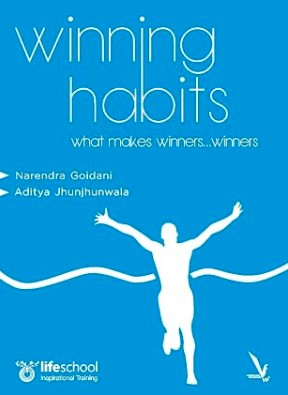 Winning HabitsWhat makes winners... winners. With Narendra GoidaniA practical guide to the habits that build lasting success.
Why now
Families are asking a different question.
Most of our tools still answer the old one.
What parents used to ask
Which college will accept my child?
What they are asking now
In three years, what will my child be able to do, earn, and live like?
of IIT Guwahati students who registered for campus placement in 2025-26 were not placed: 1,004 of 1,592 got a job. If an IIT seat no longer guarantees the next step, no college brand does.
Source 1: IIT Guwahati placement report 2025-26
of jobs that dropped the degree requirement actually hired someone without one. The certificate still opens the door. It no longer gets anyone through it.
Source 2: Burning Glass Institute and OneTen, February 2026
career counsellors are registered on the National Career Service portal. CBSE's own rule of one counsellor per 500 students means Classes 9 to 12 alone need about 1.3 lakh. The families who reach you are the lucky few. Every conversation you have carries more weight than the system admits.
Source 3: Lok Sabha reply, January 2026; CBSE bye-laws, January 2026
“Degree is no longer the aspiration. Degree is now the floor.”Aditya Jhunjhunwala, AICCC 2026 keynote
The 90 minutes
A working session, not a lecture.
Three tools for every student you advise, fifteen minutes each: what it is, a real student case worked through live, and how you would run it on Monday. Then fifteen minutes on an opportunity for the students among them who are drawn to business.
Why the question has changed
Ten minutes on what families are actually worried about now, and what that asks of us.
The 1,095-day swap
“How will you spend the next 17,520 waking hours?”
When a parent asks which college, swap the question for how the next three years will be spent. Class takes about a tenth of them. The rest decides who the student becomes.
On Monday: sit with a family and fill in the hours budget together. It moves the conversation from brands to how the time is used.
Three years of a degree, in waking hours
The thaali map
“Who lets you in, and is there a seat when you get good?”
Two questions sort any career into one of four rooms. Each room asks a student to get good at something different, which is exactly what a shortlist of colleges never tells them.
On Monday: place a student's top three career ideas on the map. If all three sit in the Risk room, that is the conversation to have first.
Four rooms, and what each one asks you to get good at
The 30-day proof sprint
“What can you show me, finished, in 30 days?”
“I want to make vlogs” becomes a number, a format and a date. Finished work tells a student, and later an admissions panel or an employer, more than any interest test.
On Monday: set one student a 30-day sprint and book the review now. You will learn more from day 30 than from the whole first meeting.
“One vlog every three days”
The opportunity
For your students drawn to business and entrepreneurship
India's first Working BBA, which I co-founded in Pune: three years of learning through real work inside real companies.
- 60%of the degree is real work
- 3paid apprenticeships with founders
- 2026first cohort graduated
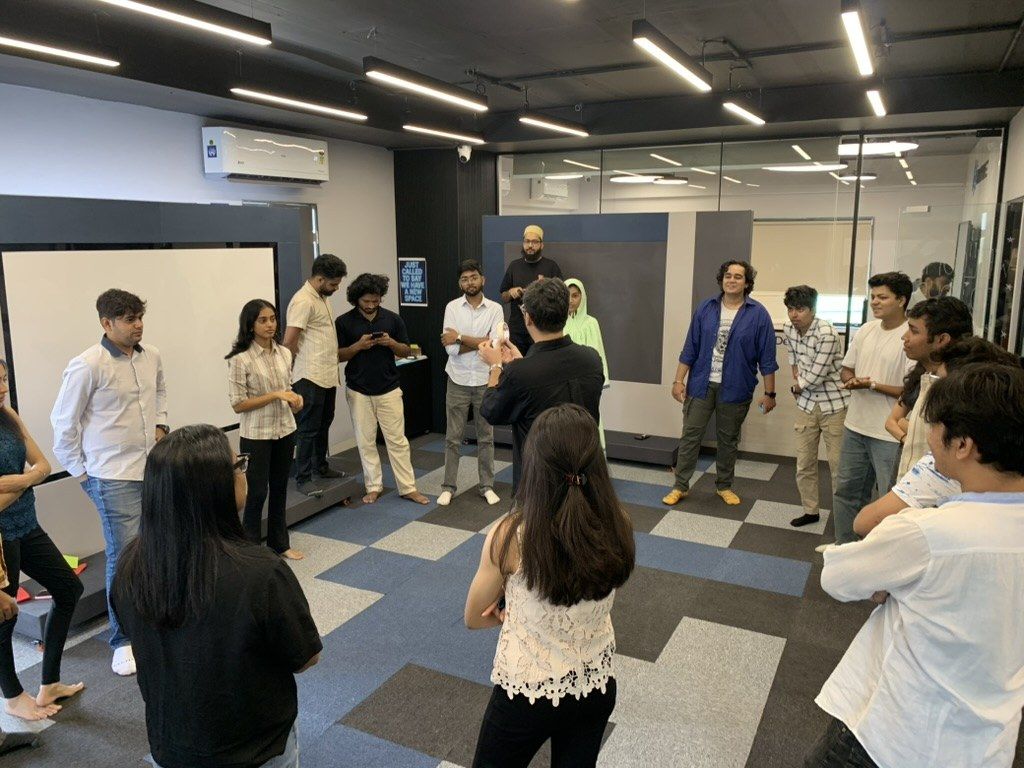
Your cases and questions
Bring a student you are stuck on. We will work two or three of them live, anonymised.
Taking the tools back to your desk
How to hand the three templates to families with your own name on them, and which tool to start with on Monday.
Use all three tools with your next family. Free, 90 minutes, recording and templates included.
Save my seatWho it is for
Anyone a young person asks, “What should I do next?”
School counsellors
The thaali map changes a shortlist in one sitting.
Independent counsellors
The 30-day sprint gives families something to do, not just something to decide.
Teachers and principals
All three tools work with a whole class, on paper.
College educators
The sprint turns a first-year's interest into proof.
Built for any student. The three tools work whatever a student chooses: engineering, commerce, the arts or a path that has no name yet.
What you take home
Three tools you can use the next day.
Everyone who registers gets these, whether or not they make it live.
Where these tools were built
Twelve years of testing, in a real room.
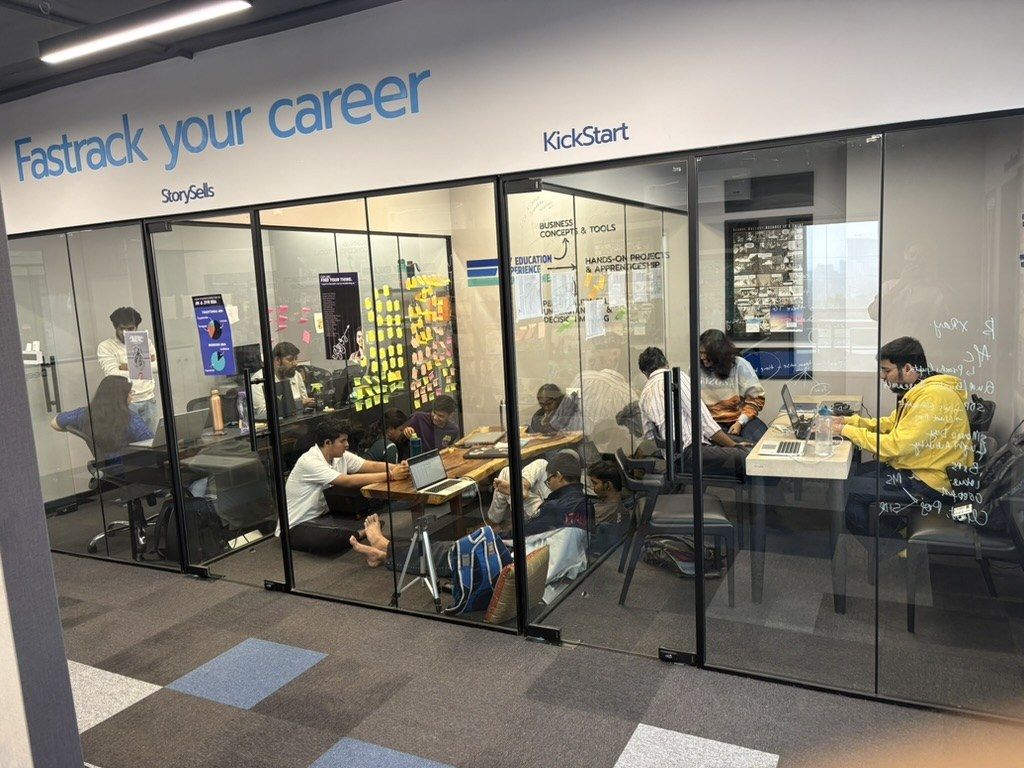
Most of these tools were built and tested at Let's Enterprise in Pune, home of India's first Working BBA, where students spend most of their time on real work inside real companies. The model is painted on the walls of the space:
Regular programmesMostly lectures and exams. A small tip of real experience.
The Working BBAMostly real experience. A small point of lectures and exams.
- EducationBusiness concepts and tools.
- ExperienceHands-on projects and apprenticeship.
- AwarenessPersonality, self-understanding and decision making. This is the layer these tools come from.
On 12 December, after the three tools, I will spend fifteen minutes on how it works.
Questions
Before you register
What will I walk away with?
Three tools you can use the next morning, printable templates with space for your own name, and the recording. The Eight questions sheet arrives the moment you register.
I can't attend live. Should I still register?
Yes. Everyone who registers gets the recording and the three templates, whether or not they attend.
Can you run a session for my students or parents?
Yes. Tick the box when you register and I will get in touch: in person in Pune or Mumbai, online anywhere else. The same tools, shaped for a room of students or their parents.
Saturday 12 December, 10:00 am IST.
Ninety minutes, three tools, and the templates to use them. Free.
With Aditya Jhunjhunwala, Co-Founder of Let's Enterprise, India's 1st Working BBA. IIM Ahmedabad alumnus and AICCC 2026 keynote speaker.
Sources
Every number on this page, and in the templates, is referenced here so you can check it before you use it with a family.
- Campus placement, all programmes, 2025-26: 1,592 students registered, 1,004 placed (63%). Centre for Career Development, IIT Guwahati, Placement Report 2025-26.
- Hiring without a degree after requirements were dropped: Burning Glass Institute and OneTen, February 2026.
- Career counsellors registered on the National Career Service portal: Lok Sabha unstarred question reply, January 2026. Counsellor ratio: CBSE affiliation bye-laws Clause 2.4.12, amended 19 January 2026; students in Classes 9 to 12 (about 6.48 crore): UDISE+ 2024-25.
- Credit hours: one credit equals 15 contact hours (UGC and AICTE norms); a three-year degree is about 1,800 contact hours.
- Practice hours: Ericsson, Krampe and Tesch-Römer (1993), The role of deliberate practice in the acquisition of expert performance, Psychological Review.
- The thaali map: Aditya Jhunjhunwala, career model v2 (2026), drawing on Rosen (1981), The economics of superstars.